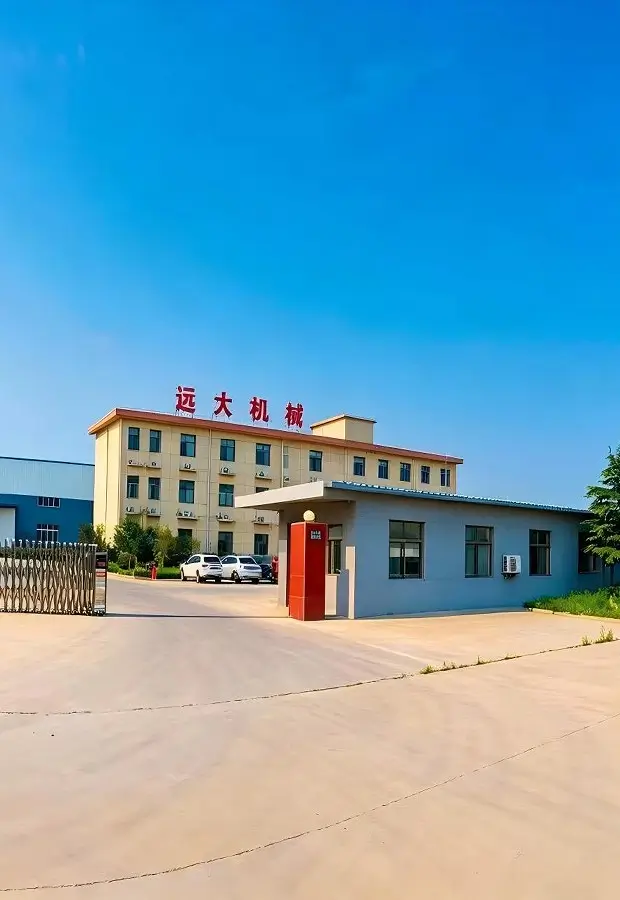
Beginning an insightful study concerning inbuilt rising ceilings as well as associated profits for hoarding receptacle arrangements. Inward suspended shields perform like fundamental covers to ensure raise this proficiency in addition to ecological respecting via mitigating gas volumes, consequently minimizing VOC exhalations.
Procuring a Reputable Inside Floating Roof Supplier? Necessary Aspects to Analyze
Selecting various recognized internal floating roof creator is fundamental for ensuring efficient productivity and security in your storage cistern. Avoid opting for solely based on value; focus on the provider’s experience, qualifications, and reviews. Target extensive market experience and documentation of superior benchmarks. Authenticate they provide comprehensive service, including design, assembly, installation, and after-sales support. Lastly, ascertain their security is unambiguous and competitive, covering potential faults or hitches.
Premier Storage Tank Floating Roof Contractors: An Exhaustive Guide
Finding dependable providers offering floating roof storage reservoirs can be intricate for many firms. This analysis highlights crucial elements to take into account when picking reputable suppliers, from understanding their history and manufacturing abilities, to assessing compliance with industry norms. We focus on critical factors such as construction quality, material determination, and post-sales maintenance, assisting you in navigating the market and securing a proven partner for your storage needs. Expect to learn about various supplier segments, including both established players and emerging manufacturers, providing a broad perspective on floating roof tank procurement options.
Crucial Internal Floating Roof Maintenance Insights
Maintaining safe operation of storage tanks equipped with internal floating roofs (IFRs) requires meticulous maintenance programs. Neglecting these key components produces substantial safety issues, environmental effects, and costly downtime. IFRs restrain vapor spaces, lowering fire risks and emissions, but their performance depends on the condition of the roof's form and its seals, often referred to as "rim spaces." These places are vulnerable to decay caused by exposure to pollutants, resulting in leaks and loss of containment. A proactive maintenance regime should include consistent inspections focusing on roof health, seal assessments ensuring proper contact with tank walls, and quick response to any signs of wear or malfunction.
- Inspect rim seals for fractures.
- Examine roof structure for wear.
- Confirm efficient drainage to prevent hoarding of liquids.
External Roof Designs: Assembly, Strengths & Functions
This kind of roofing provides a novel solution for holding liquids, especially in petroleum environments. The fundamental concept contains a layer that moves on the liquid, substantially reducing vapor losses and restraining contamination. Valuable outcomes include lowered emissions, improved fire safety, and simplified upkeep. Standard functions involve chemical plants, but growing adoption extends to sewage tanks.
Determining the Ideal Floating Roof for Your Storage Receptacle Specifications
Selecting one optimal floating top for certain storage reservoir is vital to affirm output and security. Numerous factors need to be thought through, including the style of liquid stored—whether dangerous or not—and prevailing weather features. In addition, tank measure and monetary constraints are significant.
- Evaluate the roof material; alloy offers distinct benefits.
- Review the sealing system – internal versus external – to minimize vapor emissions.
- Weigh the need for drainage systems and any necessary alterations to handle wind loads.
In-tank Floating Lid Alternatives from Chief Suppliers
Ensure shielded storage of volatile chemicals with a wide-ranging selection of internal floating roof systems. We associate with reliable manufacturers to deliver robust and dependable solutions designed for peak containment and limited evaporation losses within your tank. Our options include cone roofs, dome roofs, and rim-mounted designs, supporting a wide range of measures. Choosing the right floating roof is essential for observing environmental regulations and maintaining a dependable work environment; trust us to help you toward the premium solution from our portfolio of trusted brands. The systems provide exceptional performance, durability, and contribute to both operational efficiency and environmental responsibility.
Reviewing Internal Floating Roof Designs & Technologies
Various internal floating roof internal floating roof manufacturer (IFR) designs and approaches are obtainable, each affording unique advantages for storage tank implementations. Historically, the time-tested single-pontoon design, featuring a central well and rim, has been broadly utilized. However, modern advancements have introduced alternatives such as multi-pontoon designs, which boost stability, especially in tanks with larger diameters or subject to significant wind force. Furthermore, recent technological advances include sophisticated rim seals, moving from earlier metallic versions toward enhanced flexible materials such as coatings. These updated seals lessen vapor leakage and preserve a closer fit.
- Single-Pontoon: Easy for smaller tanks.
- Multi-Pontoon: Stronger stability for large vessels.
- Rim Seals: Transition from metallic to flexible materials such as elastomers and polymers.
Increasing Tank Safety and Decreasing Exhalations with a First-Class Floating Roof
Protecting prime tank performance is essential for both operational efficiency and environmental responsibility. A well-designed and well-maintained floating roof is a important investment in these areas. Whether enclosed or external, this cover considerably decreases evaporative losses, accordingly lowering harmful emissions and diminishing the risk of volatile organic compound (VOC) releases. Beyond controlling emissions, a quality floating roof upgrades safety by decreasing fire hazards linked with flammable liquids. Additionally, modern designs deliver improved sealing to protect from rainwater ingress, preserving product purity and avoiding costly cleanup. Consider these strengths:
- Curbed VOC emissions
- Upgraded tank safety
- Protection against condensation contamination
- Curtailed evaporative and product losses