Initiating
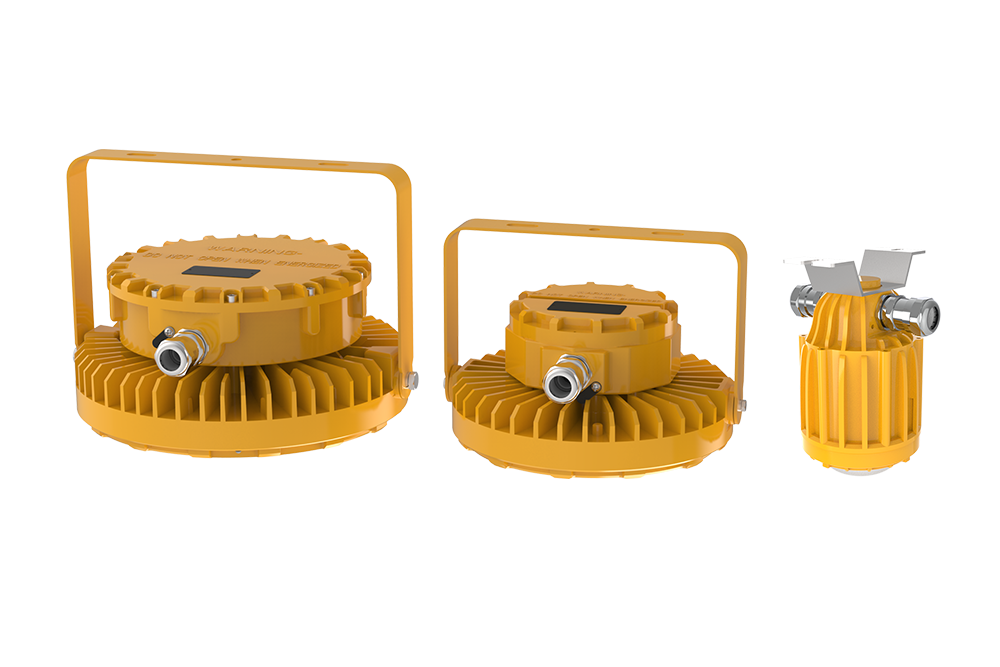
Conducting within conceivably treacherous atmospheres, such as processing installations, either milling operations, demands unique brightness methods. Combustion Shielded Sources are built to deter ignition of combustible atmospheres, safeguarding personnel and equipment. These heavy-duty fixtures are built to contain an contained explosion, stopping it from extending to the surrounding area. Grasping the multiple approvals, like UL, is important when picking the suitable units for your individual application, promoting a secure and regulatory workplace.
Understanding Fire Incombustible Luminosity: Purposes & Benchmarks
Flame-resistant self-protected luminosity installations is urgently important in perilous environments, safeguarding personnel and equipment from ignition sources. These robust luminaires are designed to contain any internal spark, preventing its propagation into the surrounding atmosphere, wherein might contain flammable gases, vapors, or dust. Common applications include refinery refineries, factory plants, agricultural facilities, and water treatment plants. Strict or: regulations govern their production, primarily based on organizations like ATEX, assuring compliance with classified location tiers – defining the level of hazard and the required equipment type, particularly Class I, Division 1 & 2, and Zone 1 & 2. Correct setup and upkeep are also crucial for continued safety and performance.
Fireproof Lights: Guarding Your Risky Environment
Operating in a jeopardous environment demands the utmost protection, and lighting plays a momentous role. Blast-Resistant lights are specifically designed to prevent ignition in areas with combustion-prone atmospheres. These robust apparatus are rigorously tested to contain any ignition, ensuring no external explosion is triggered. They're often compulsory by regulatory regulations explosion proof led light fixtures for areas like chemical plants. Consider these benefits:
- Augmented security
- Fulfilling of statutory criteria
- Decreased risk of failures
Lighting Technology Ignition-Shielded Units
Such Light Source intrinsically safe sources supply a critical aggregation of energy effectiveness and high-level protection. Constructed for risk-laden areas, namely drilling facilities and quarrying functions, these units efficiently lessen threat of sparking while coincidently yielding heightened lighting and minimizing cumulative fees.
Choosing the Proper Lightings for Your Field
Determining relevant intrinsically safe fixtures is fundamentally crucial for confirming care in seemingly hazardous environments. Evaluate the unique specifications of your procedure, including the classification of discharges present, the thermal conditions range, and the level of the setting. Furthermore, be sure to verify that the chosen luminaires meets relevant standards and approvals such as ATEX rules. Overlooking these details can lead to serious consequences including fires and imminent detriments.
Indispensable Elements of Explosion Proof Lighting Systems
Explosionguarded lighting configurations are indispensable for guaranteeing safety in potentially explosive environments. Key features include a robust enclosure designed to contain possible potential spark or burning source, preventing it from emitting the surrounding vicinity. Furthermore, they incorporate spark-resistant components, often utilizing incandescent or other approved light within a closed housing to curtail discharge hazards. Proper approvals from recognized bodies, such as ATEX, are vital for alignment and affirm the equipment's performance in classified zones.
Areas Necessitating Threatening Detonation-Resistant Fixtures Critical?
Explosionshielded luminaires are required in zones where conceivably combustible mixture of exhalations and breathable gas could create the explosive locale. Frequent premises include hydrocarbon processing facilities, drainage cleaning facilities, shellacs fabrication areas, horticultural silos as well as designated prospecting procedures. Normally paramount to consult jurisdictional safety protocols to ascertain the particular zones requiring combustible safety.
Servicing Your Explosion Proof Lighting: Guidelines
To support optimal effectiveness and shielding of your detonation-proof lighting installations, preventative examinations is essential. Launch with thorough ocular observations for some traces of corrosion, such as breaks in the cover or corrosion. Often dust off any dust aggregation from the shields and diffusers. Consistently implement recommended cleaning agents that won’t impair the texture. Lastly, log all adjustment functions and follow the producer's standards for verification and substitution of elements.
Emerging Technologies in Safe Lighting
The prospective sector of explosion-proof illumination is steadily being determined by innovative lighting revolution. Traditional halogen systems were naturally massive, poor, and conveyed menace concerns. Now, innovative diodes offer a compelling solution, boasting enhanced power performance, minimized upkeep demands, and a greater longevity. Furthermore, breakthroughs in semiconductor architecture are permitting for reduced-size plus less heavy intrinsically safe fixtures, increasing occupant accompanied by practicality in required areas.